Coolship Fermentation
Spontaneous Fermentation · Wild Microflora · Terroir Expression
At NINEBARNYARDOWLS, we honour brewing traditions that date back centuries. Our coolship fermentation process captures the wild yeast and bacteria of Gladstone, Wairarapa, creating uniquely complex flavours that cannot be replicated any other way.
The Coolship Process
How we capture nature's wild microflora to create truly unique beers
Winter Brewing
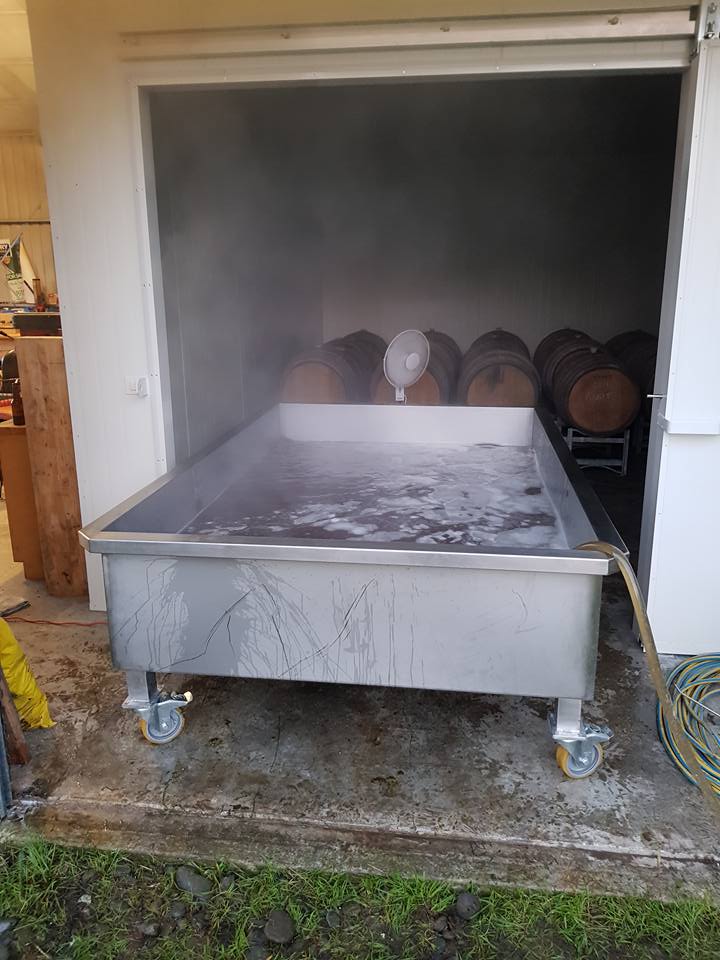
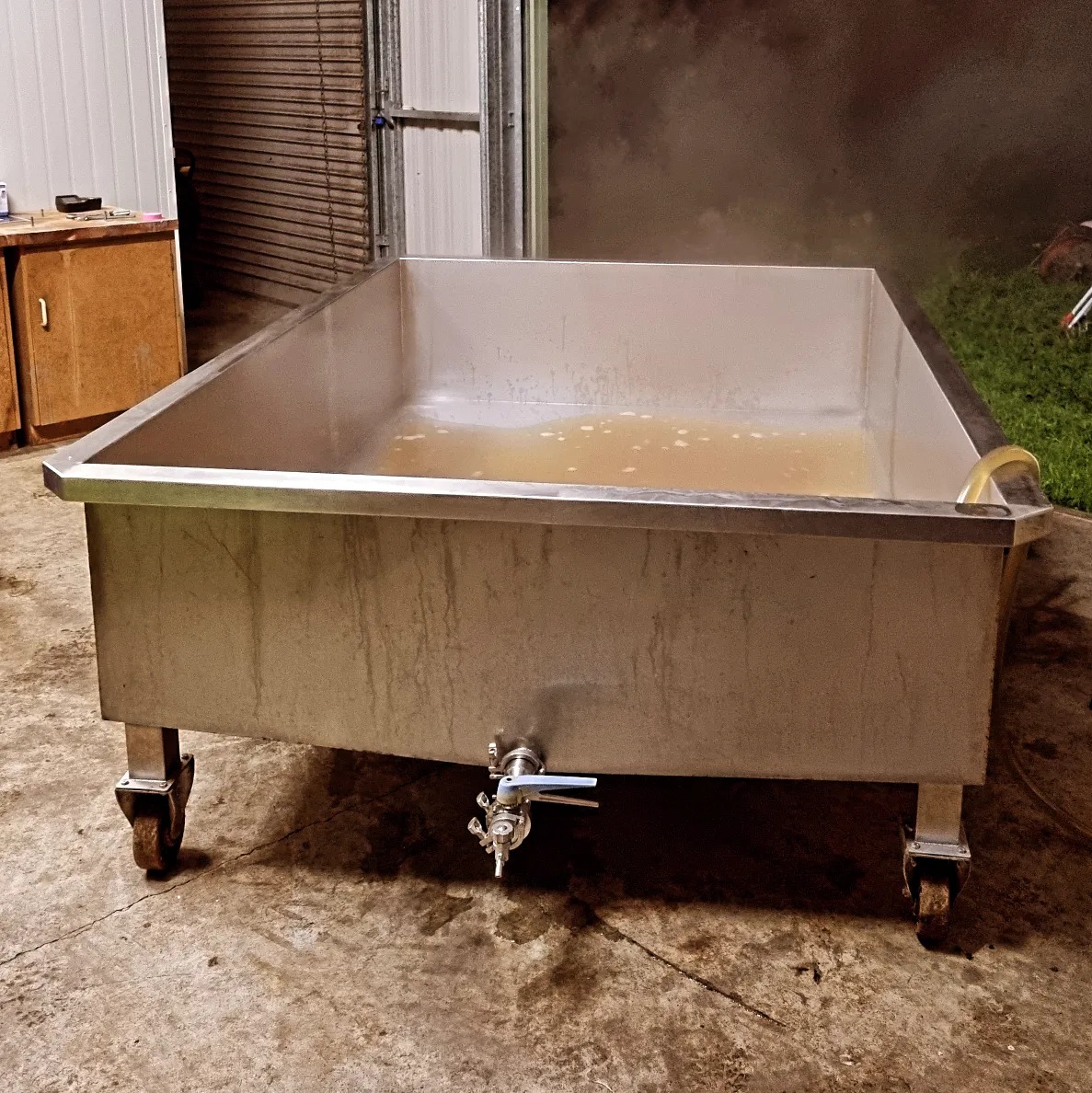
We brew only during the coldest winter months. The hot wort is transferred to our custom-built coolship vessel, where it begins cooling rapidly in the Gladstone night air.
Wild Inoculation
As the wort cools, it captures wild yeast and bacteria native to our Wairarapa valley. This natural inoculation includes Brettanomyces, Lactobacillus, Pediococcus, and countless other microorganisms unique to our terroir.
Barrel Aging
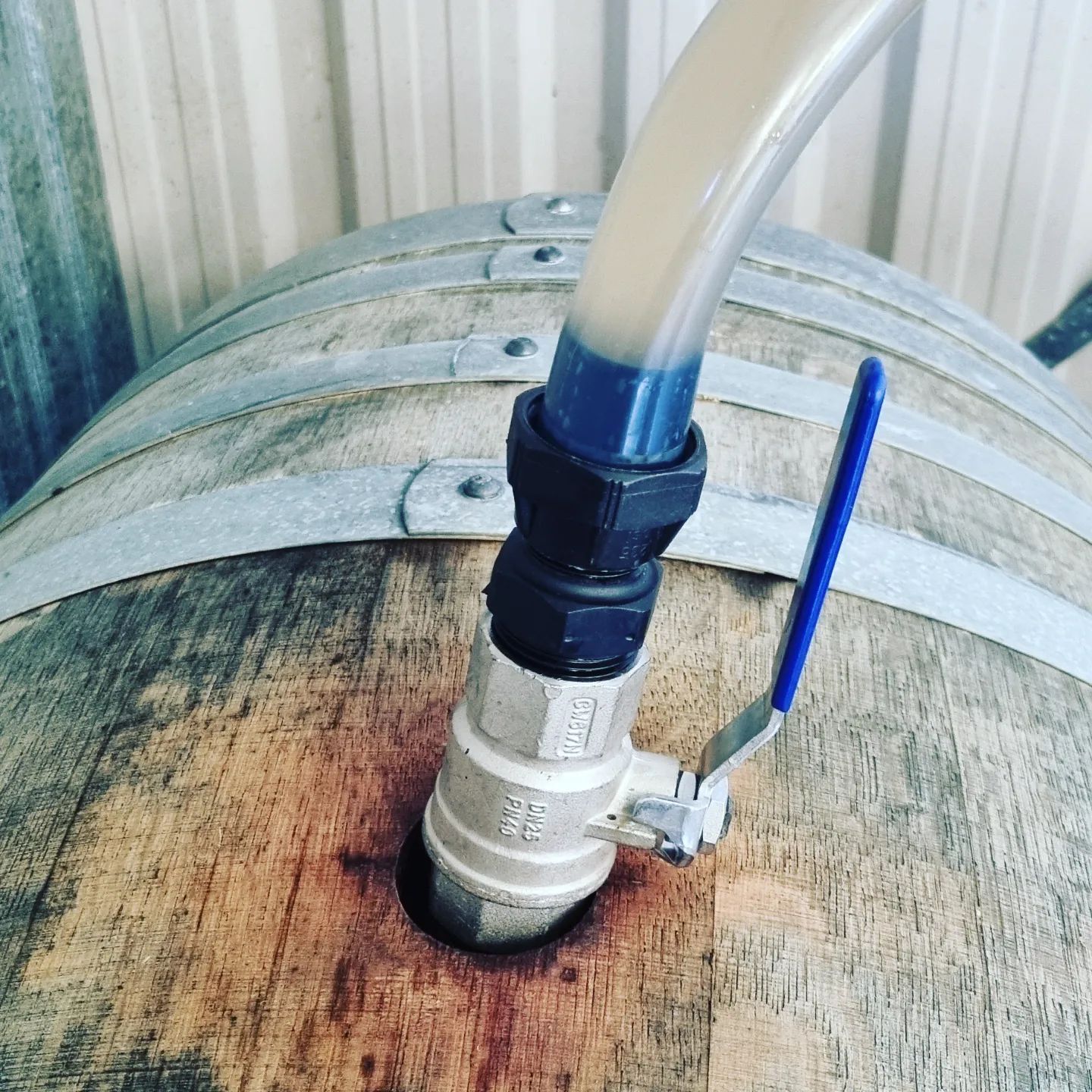
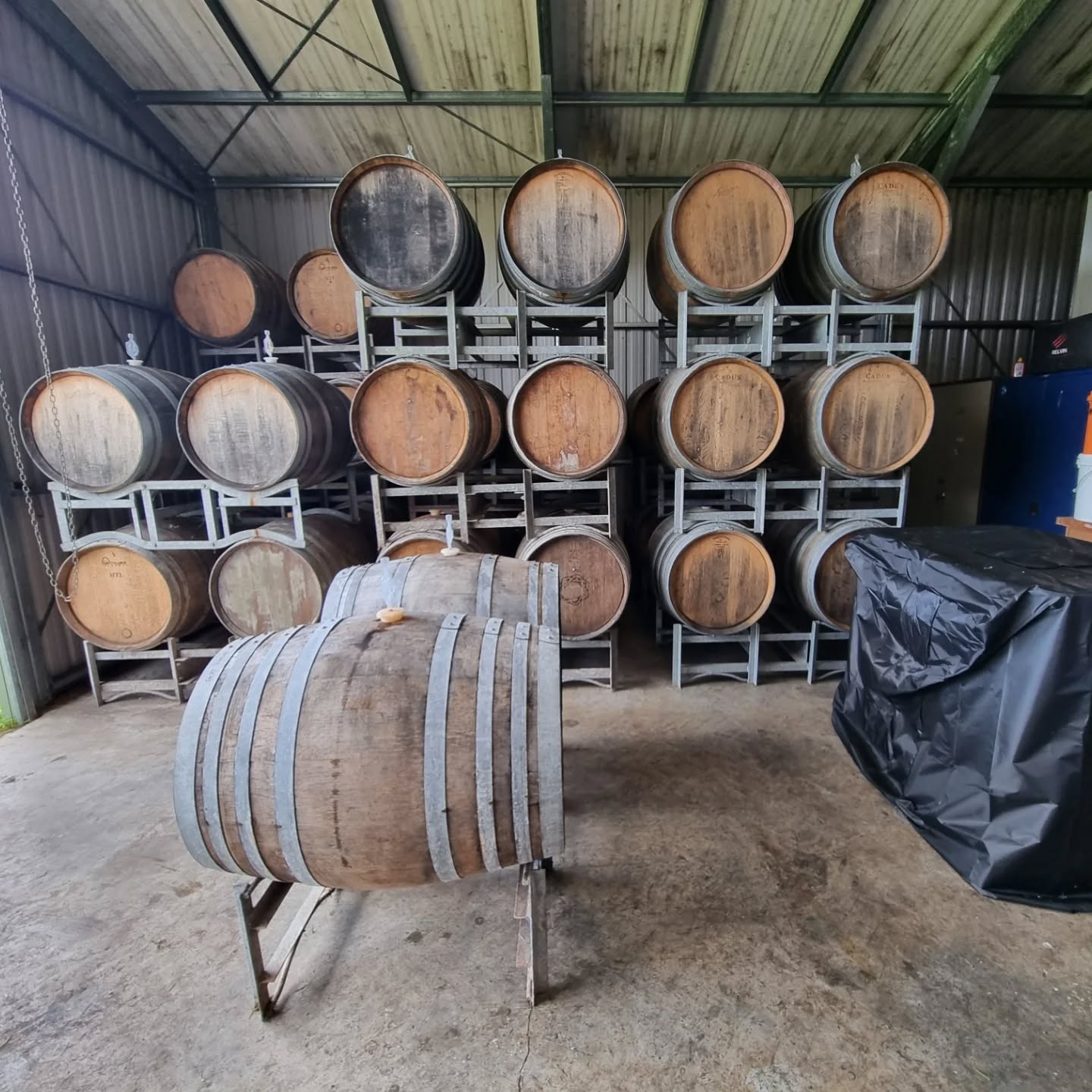
The inoculated wort is transferred to neutral French oak barrels. Over 12-36 months, a complex microbial succession occurs, with different organisms taking dominance at different stages of fermentation.
Natural Evolution
No temperature control. No filtration. No additives. The beer evolves naturally, developing complex flavours of citrus, stone fruit, earthy funk, and subtle oak character that reflect our unique Gladstone terroir.
The Science of Spontaneous
Understanding what makes coolship fermentation unique
Each batch captures the unique microbial fingerprint of Gladstone. Weather patterns, seasonal changes, and local flora all influence which microorganisms are present during inoculation, making every brew a true expression of place.
Different microorganisms thrive at different stages. Early colonizers create initial acidity, while Brettanomyces develops complex aromas over months. This succession creates layers of flavour impossible to achieve with single-strain fermentations.
Within each barrel, multiple strains compete and cooperate. Some barrels develop bright acidity, others deep funk. Our role as brewers is to taste, select, and blend these barrels to create harmonious final beers.
This is how all beer was made before Pasteur discovered yeast. By using traditional methods, we connect to brewing history while creating uniquely modern expressions of New Zealand terroir.
Season & Time
Why timing is everything in spontaneous fermentation
Winter Brewing Window
Cold Conditions: Brewing only in winter prevents unwanted bacterial growth and allows slow, controlled cooling in the coolship.
Microbial Diversity: Cooler temperatures favour the wild yeast and bacteria that create our desired flavour profile.
Clean Air: Winter air in Gladstone carries fewer contaminants, ensuring pure microbial capture.
From Wort to Bottle
Day 1: Brewing and transfer to coolship
Night 1: Wild inoculation begins
Day 2: Transfer to oak barrels
Months 0-6: Primary fermentation
Months 6-24: Secondary maturation
Months 24-36: Tertiary maturation
Blending and bottling occurs after 36+ months, using Champagne yeast for carbonation.
Patience & Trust
A Centuries-Old Tradition
This technique traces back to Belgium's Pajottenland region and predates Pasteur's understanding of yeast. Historically, beer everywhere was fermented this way.
Rediscovery & Revival
Though the method nearly disappeared during industrialisation, spontaneous brewing has re-emerged as brewers seek depth, terroir, and authenticity impossible to achieve through controlled fermentation.
Our Gladstone Expression
Every coolship beer we produce reflects our specific climate, season, and environment. Each brew captures the wild character of our surroundings and expresses a truly local identity.
The Vessel's Role
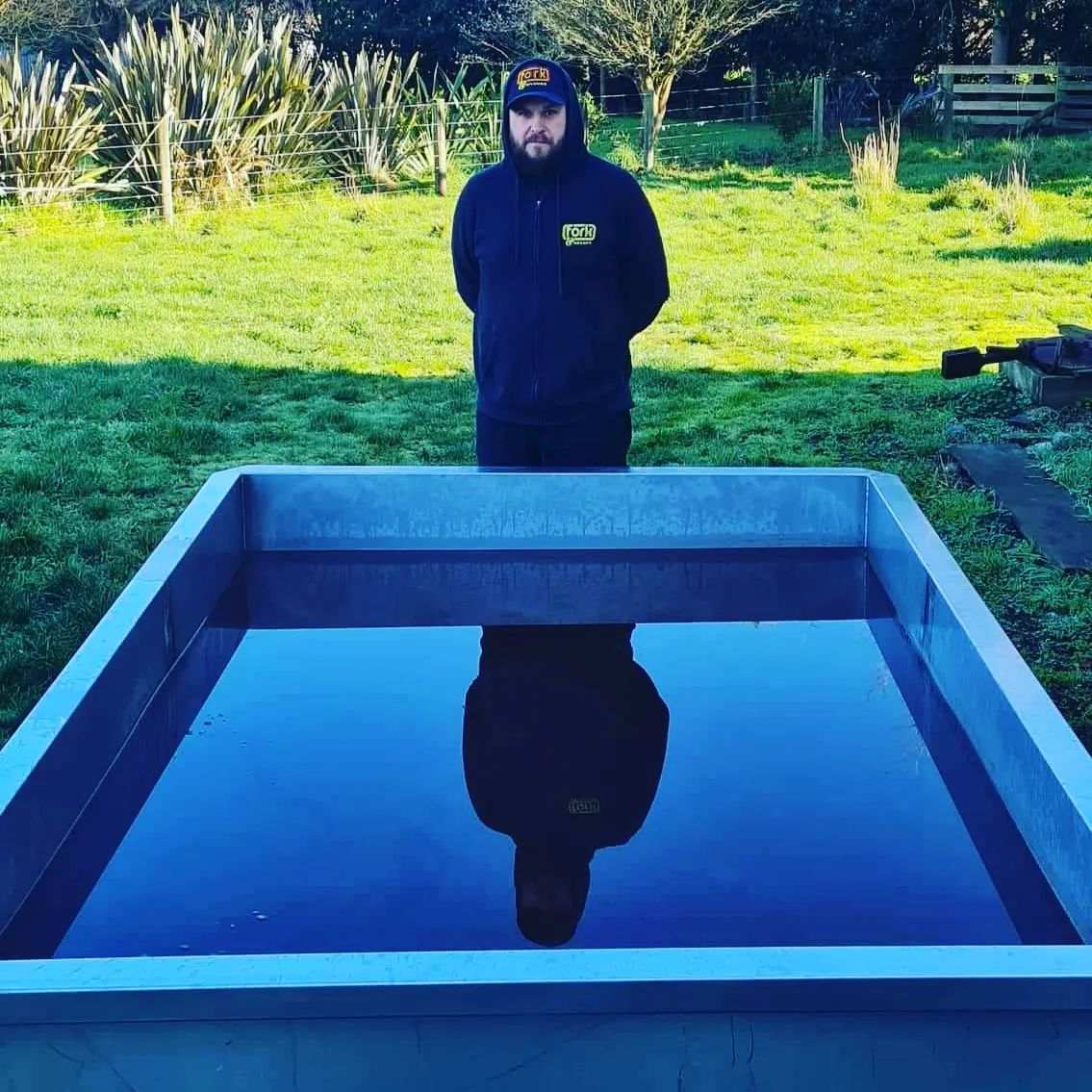
Our custom-built coolship's broad, shallow shape encourages rapid cooling and maximum exposure to airborne microflora unique to our location.
Experience Spontaneous Fermentation
Taste the unique expression of Gladstone terroir in every bottle
Explore Coolship BeersLimited seasonal production · Each bottle captures a moment in time